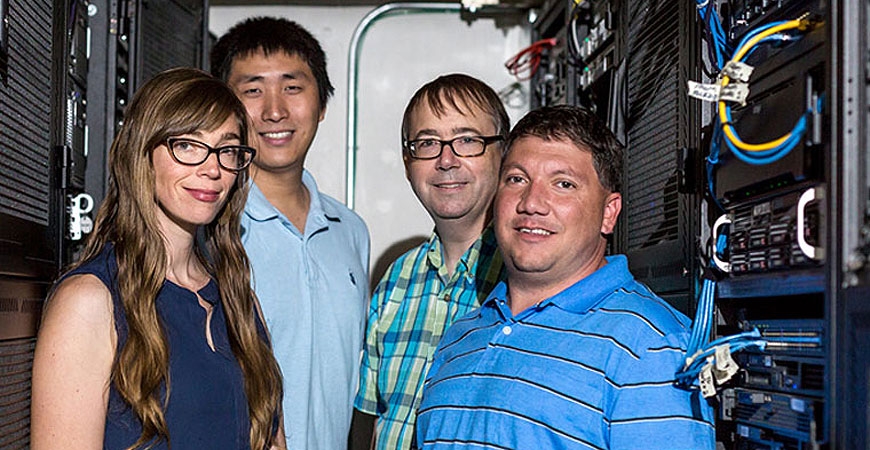
Findlater lab
Organometallic chemistry empowers the understanding of chemical reactions and the synthesis of new functional molecules
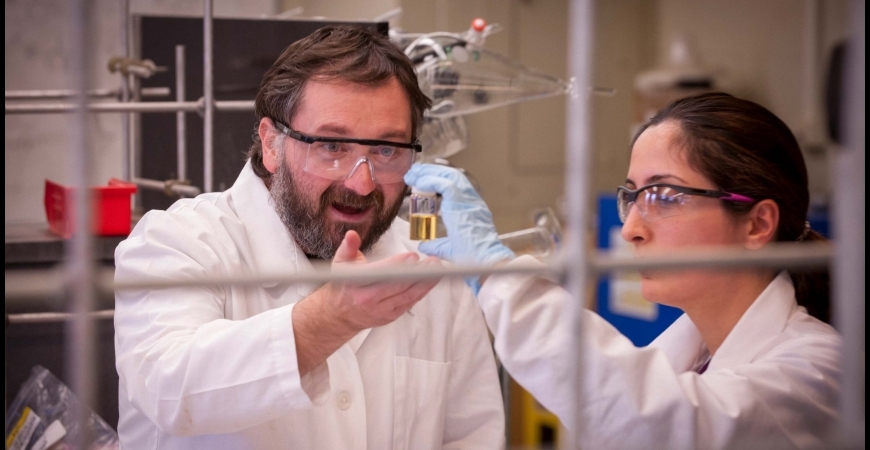
The Organic and Organometallic division at UC Merced has a strong background in physical organic chemistry, materials chemistry, and synthetic organometallic chemistry and catalysis that empowers the discovery and understanding of chemical reactions and the synthesis of new functional molecules combining organic and inorganic techniques.
Professor Ryan Baxter
Advancing Organic Chemistry Education
Chemistry Professor Ryan Baxter received a CAREER award from NSF to help advance his lab’s work developing new strategies for initiating radical chemical reactions to engineer mild experimental protocols.
Chemistry Professor Patti LiWang
Innovative Delivery System
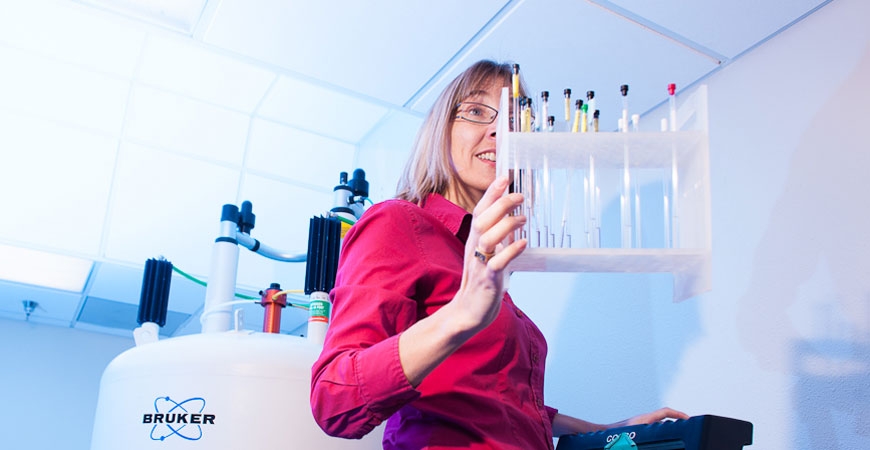
Patti LiWang's research group had figured out how to make some of the most potent HIV inhibitors even more powerful.
Chemistry Professors Christine Isborn, Liang Shi, Mike Colvin and Hrant Hratchian
Theoretical and Computational Chemistry
Christine Isborn, Liang Shi, Mike Colvin and Hrant Hratchian model structure, properties, reactivity, and spectroscopy of molecules and complex systems using computational quantum chemistry, molecular dynamics, and statistical mechanics. 

Welcome

Our research programs range from studying how HIV targets cells and the chemical origins of life to visualizing chemical reactions and improving solar cell efficiencies. Our faculty members are committed to excellence in research and instruction, and have won a variety of awards at regional, national and international levels. 


Featured News

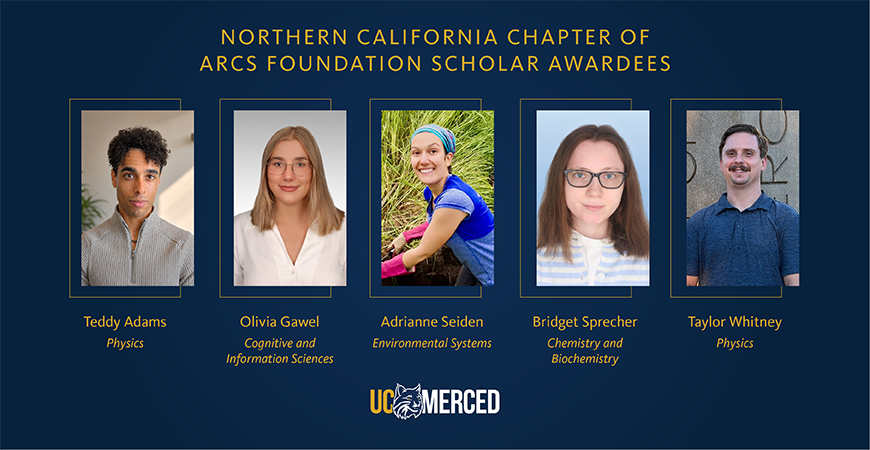
Headshots of five postdoctoral scholars
March 11, 2026

UC Merced has received a $1 million grant from the Gordon and Betty Moore Foundation to strengthen postdoctoral fellowships and expand research in the natural sciences. Awarded through the...

March 3, 2026

Recent work by Professor Henrik Larsson applies a new, highly accurate way to calculate the vibrational energy levels of molecules to acetonitrile, a six-atom molecule that is difficult to model...

Blue-green algae in flasks are used by researchers at UC Merced and UC San Diego to further the understanding of circadian clocks. Image courtesy of UC San Diego.
February 10, 2026

Our circadian clocks play a crucial role in our health and well-being, keeping our 24-hour biological cycles in sync with light and dark exposure. Disruptions in the rhythms of these clocks, as with...

Subscribe to Chemistry & Biochemistry RSS

Seminars

Chemistry seminars are held on Fridays. See the seminar page for a list of past and upcoming seminars.